
You have no items in your shopping bag.
Samples to Try
FREE
You are currently shopping on our International store

Customer Support
info@dermacaredirect.co.ukSkincare Advice
advice@dermacaredirect.co.uk GBP / EN
Cart Total
Worldwide shipping
Q & A's..
Q: I have little white bumps on the back of my upper arms, what are they, and what can I do about them?
A: Small bumps on the back of the arms are very commonly keratosis pilaris (KP), a common skin condition and harmless, non-contagious cause of these skin bumps, in which keratin buildup blocks the hair follicles. KP affects around 40% of adults and 50-80% of teens, and it often starts between ages 2 and 20. If you have rough or sensitive skin and want to understand the cause, improve the texture, and know when to get professional advice, the guidance below covers what these bumps are, what skincare helps, and when they should be checked.
While KP may look undesirable and feel rough to the touch, it is completely harmless and not contagious. The white bumps are caused when excess keratin builds up in the hair follicles, often along with dead skin cells building up there too, so a build up of too much keratin creates keratin build up that plugs the follicle opening and forms rough bumps and tiny bumps that give the skin a rough, sandpaper like texture. Keratosis pilaris bumps are usually around 1-2 mm in size and may feel like hard bumps, while matching your skin tone or appearing slightly red, brown, or white. KP is most often found on the backs of the upper arms and upper thighs, but it can also appear on the buttocks, cheeks, and other parts of the body such as keratosis pilaris on the hands, including the upper arms thighs area. Hormonal changes can also make keratosis pilaris more noticeable. While those affected can experience this condition all year round, symptoms and flare ups often become more noticeable during dry weather and the winter months, especially with dry skin, and commonly improve in summer.
There are some easy ways to keep it under control and less noticeable. The use of mechanical exfoliants such as products with scrubbing beads or grains, especially harsh scrubs, can irritate the condition, making the raised bumps appear more visible. Instead, you are better off following a gentle skincare routine with a daily moisturiser with high-strength Alpha Hydroxy Acid such as glycolic acid, along with gentle exfoliation rather than scrubbing. Moisturisers with urea or ceramides also help maintain hydration, especially when skin is dry. Short, lukewarm showers can also help avoid worsening dryness.
Alpha Hydroxy Acids (AHAs) are proven chemical exfoliants that increase the exfoliation process; consistent home remedies can make a big difference to bumpy skin. This will smooth the skin and improve the skin's appearance with less irritation than scrubbing, and a toner for keratosis pilaris may assist with post cleansing care. If you have dry sensitive skin you could use Alpha Hydroxy Acid such as lactic acid instead, and salicylic acid may also help.
KP usually does not need medical care, but if symptoms are persistently itchy, bleeding, non-healing, or not improving, diagnosing keratosis pilaris is usually done visually by a dermatologist or other healthcare professional, often without lab tests or a biopsy, by assessing the bumps’ appearance, texture, and location, reviewing medical history and family history, and considering whether it may be mistaken for folliculitis or contact dermatitis before checking for other skin conditions such as eczema, atopic dermatitis, or prickly heat; people with eczema or atopic dermatitis may also be at higher risk of more noticeable keratosis pilaris. Suspicious persistent bumps should also be assessed to rule out skin cancer, including basal cell carcinoma, which can appear as a slowly growing pink, pearly, or waxy bump that may bleed. Treatment options may include stronger creams, topical retinoids to improve cell turnover and help prevent blockage, laser therapy, or laser treatments for persistent redness or texture. For skin tags rather than KP, removal by snipping, freezing, or cauterising is typically done under local anaesthetic.
PRIORI Advanced AHA Cosmeceuticals - Hand and Body Revitalizing Lotion (contains Lactic Acid)
NeoStrata Lotion Plus - AHA (contains Glycolic Acid)
Learn more about Keratosis Pilaris in our skincare guide 8 of the best ways to treat Keratosis Pilaris (Chicken Skin) according to our experts.
To learn about milia, read our experts' skin guide on How to get rid of Milia.

What is eczema or dermatitis? Find out how to manage the symptoms and recommended skincare products too.
14.09.2026 4 Minutes read Read more
Effective Solutions For Common Body Skin Issues Like KP, Psoriasis & More
21.09.2026 8 Minutes read Read more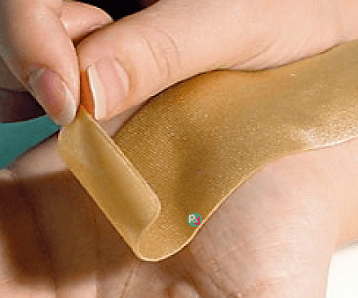
People use silicone scar products as silicone therapy for scars from surgery, injuries, and acne, including both newer and mature scars. If you use silicone scar sheets consistently, treatment length can vary depending on scar age, severity, and factors such as blood flow in the area, with some improving sooner than others. You can start silicone once the wound has fully closed and continue for several consecutive months.
16.09.2026 5 Minutes read Read more

