
You have no items in your shopping bag.
Samples to Try
FREE
You are currently shopping on our International store

Customer Support
info@dermacaredirect.co.ukSkincare Advice
advice@dermacaredirect.co.uk GBP / EN
Cart Total
Worldwide shipping
People use silicone scar products as silicone therapy for scars from surgery, injuries, and acne, including both newer and mature scars. If you use silicone scar sheets consistently, treatment length can vary depending on scar age, severity, and factors such as blood flow in the area, with some improving sooner than others. You can start silicone once the wound has fully closed and continue for several consecutive months.

Silicone scar sheets are flexible, medical-grade sheets that adhere directly to scarred skin. If you're wondering how long should you wear silicone scar sheets, the general recommendation is 12-24 hours daily for at least 2-3 months, with new scars often showing meaningful improvement after 6-8 weeks of consistent use. They work by forming a protective barrier over healed skin, providing occlusion and a moist environment that helps regulate collagen production. This environment supports better healing and can help flatten, soften, and reduce discoloration in scars from surgery, injuries, or acne.
Clinical studies have consistently demonstrated the effectiveness of silicone sheeting when used correctly and consistently, with around 90% of users seeing improved scars after two months of use.
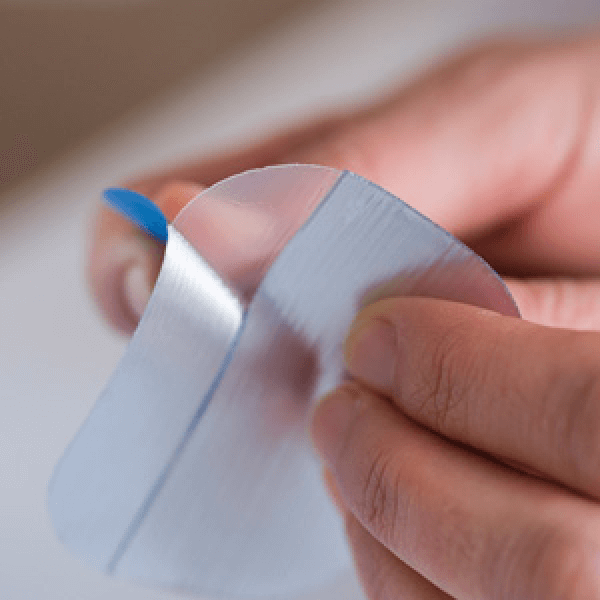
The general recommendation for wearing silicone scar sheets is between 12-24 hours daily. However, optimal duration can vary based on the product brand and your specific scar type.
Daily Wear Time: 12-23 hours per day
Total Treatment Period: At least 2-3 months for most scars
New scars: May respond faster than older, mature scars, with improvement starting in a few weeks or several weeks, while older scars may take a few months
Silicone can be used on new and old scars once the area has fully healed.
Hypertrophic and keloid scars: Often require longer treatment periods, and consistent use may also help improve scar height; depending on the scar’s age and severity, treatment for these more severe raised scars may be needed for up to 12 months
Biodermis recommends:
Optimal Wear Time: 24 hours per day
Minimum Wear Time: 12 hours per day if 24 hours isn't possible
Sheet Replacement: A reusable silicone sheet can last up to two weeks to several weeks with proper care, but replace it sooner if adhesion drops or it becomes damaged. Application Protocol:
Wash both hands and scar area
Remove protective plastic from both sides of the self adhesive sheet
Apply the tacky side to the scar, ensuring the sheet extends slightly beyond the scar’s edges
Consider using surgical tape or bandages to help secure the sheet
Wash the sheet daily with mild soap and water or lukewarm water, then let it air dry before reapplying.
Smoothing it into place helps prevent air bubbles.
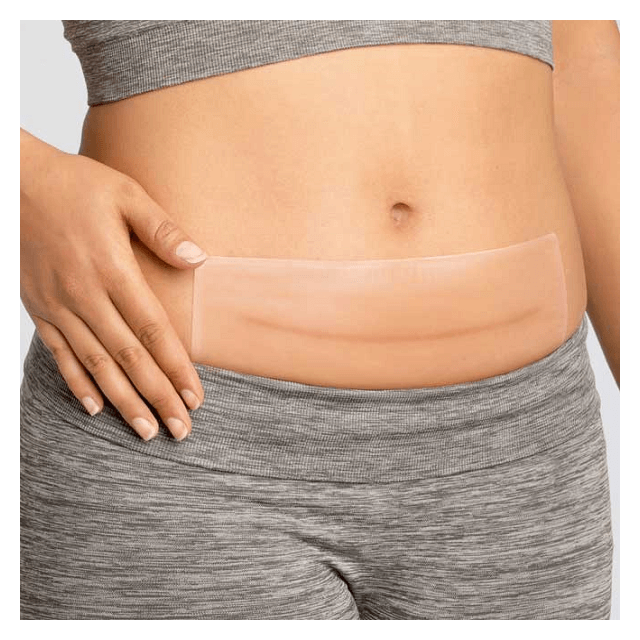
Good scar care with silicone scar sheets depends on consistent daily use, as silicone scar sheets work by maintaining a moist, protective covering that helps regulate healing and collagen in the scar area. To maximise the benefits of silicone scar sheets:
Maintain Consistent Use: Follow the recommended wearing schedule without significant interruptions for optimal results.
Keep Both Skin and Sheets Clean: Remove the sheet daily to wash both the treatment area and the silicone sheet with mild soap before reapplying; they are generally safe, even for sensitive skin, though wear time may need to be adjusted based on skin sensitivity, so start with shorter wear periods and gradually increase as tolerated.
Allow for Proper Drying: Always ensure both your skin and the sheet are completely dry before reapplication to maintain adhesion.
Monitor Progress: Take periodic photos of your scar to track improvements in scar tissue over time, keeping in mind that changes can vary with scar age and severity.
Combine Treatments Appropriately: You can alternate between silicone sheets (typically at night) and silicone gel (during the day) for 24-hour treatment, and some people use scar creams at a different time of day rather than under the sheet, but avoid using them simultaneously on the same area.
Visible improvement and the overall appearance of the scar can vary depending on scar type and response, especially in visible areas.
Do not apply silicone scar tape or silicone tape to open wounds or fresh incisions that haven't fully closed; wait until the area is healed after injuries or surgical procedures
Avoid contact with mucous membranes or areas near the eyes
Steri strips are not the same as silicone scar products and are used earlier in healing
Do not use concurrently with antibiotic skin preparations or other skin treatments
Silicone products usually have minimal side effects, but discontinue use if you experience redness, pain, or irritation; if symptoms persist, contact a healthcare professional or scar specialist
Keep out of reach of children
For external use only
Silicone sheets and scar tape are generally water resistant, but should be reapplied to clean, dry skin after bathing or heavy sweating.
Using silicone sheets consistently for the recommended duration can significantly improve your scar's appearance over time and may help support healthier scar formation as the area heals, with results that may include reduced redness as the scar softens and flattens. While most users see noticeable results after 2-3 months of regular use, more severe or older scars may require extended treatment, as some raised scars improve more slowly because scar age and severity affect response, and post surgical scars often need longer care, with post op use commonly continued for 2 to 6 months.
Always consult with a dermatologist or surgeon for personalized advice regarding your specific scar management needs, particularly for keloid scars and other types of scars that may need longer silicone therapy or combined therapeutic approaches.

Effective Solutions For Common Body Skin Issues Like KP, Psoriasis & More

