You have no items in your shopping bag.
Samples to Try
FREE
You are currently shopping on our International store

Customer Support
info@dermacaredirect.co.ukSkincare Advice
advice@dermacaredirect.co.uk GBP / EN
Cart Total
Worldwide shipping

Seborrheic dermatitis (or seborrhoeic dermatitis) is a common skin condition and a chronic condition, so seborrheic dermatitis skincare is about managing flare ups rather than curing the root cause. If you are dealing with redness, scaling, itching or dandruff on the face, scalp, eyebrows or around the nasolabial folds, the right skincare routine can help control yeast overgrowth, reduce inflammation, support the skin barrier and make symptoms easier to live with.
Here are my skincare tips to help.
Make sure to use very gentle products that won't dry out or irritate your skin. A simple skincare routine should start with a gentle cleanser, support the skin barrier and avoid irritation from harsh actives or fragranced formulas. - keep your skin well cleansed by using a mild exfoliating product designed for sensitivity.
Cleansing is vital to removing the excess surface oil and helping lift yeast from the skin, which matters because malassezia yeast overgrowth can trigger an inflammatory response in oily areas affected by seborrheic dermatitis. - Salicylic acid (BHA) is a chemical exfoliator that dissolves the bonds between skin cells to help remove old tissue.
For seborrheic dermatitis sufferers, exfoliation is critical to helping remove dead skin cells, and keratolytics can also help soften and lift stubborn scales and flakes, especially on the scalp or eyebrows. Salicylic acid also has a calming, anti-inflammatory effect on the skin to help reduce the redness.
Moisturising is still important: choose non-comedogenic, fragrance-free, gel based products that give lightweight hydration, help prevent dryness and avoid heavy oils that can worsen symptoms. Use a broad-spectrum sunscreen with SPF 30 or higher on the face every day.
Shaving body hair, including beards and mustaches, can make the symptoms of seborrheic dermatitis worse.
Wearing cotton clothing that is breathable and lets air reach your skin to avoid irritating your skin. Common triggers include stress and cold weather, and hormonal changes can also contribute to flare ups.
Tea tree oil topically is well known to treat infections such as acne and fungal infections.
Avoid alcohol in products you use on your face. Although alcohol does degrease oily skin, it is so drying and irritating that it actually triggers increased oil production, which is the last thing you need if you're suffering from seborrheic dermatitis. Coconut oil and other heavy emollients can also worsen symptoms because they may feed yeast.
Along with gentle skin care and a well-formulated BHA exfoliants, you also can consider topical treatment products like Sebclair, Cebelia, Zenmed or DCL.
Sebclair® is a non-steroidal range of clinically proven products specifically designed to manage the signs and symptoms of seborrhoeic dermatitis (SD), which has demonstrated both anti-inflammatory and antifungal properties. Sebclair® has showed to manage and relieve the itching, burning, scaling and pain experienced with seborrhoeic dermatitis.
Treatment options can also include self-care, seborrheic dermatitis face creams and, when prescribed, topical corticosteroids, topical steroids or topical calcineurin inhibitors to treat seborrheic dermatitis; facial steroids should only be used if prescribed, as longer-term use can cause irritation and skin thinning.
When washing your hair with a suitable shampoo, massage the scalp to remove any scales, then rinse thoroughly. When you apply conditioner, take care to apply it only to your hair, and not to your scalp, as conditioner has emollient ingredients that can cause skin cells to build up and prevent shedding.
For scalp symptoms and dandruff, ketoconazole 1% shampoos, selenium sulfide, zinc pyrithione shampoos and coal tar are also used to help reduce itching and inflammation and stabilise flaking. Antifungals target the underlying yeast, and resistant cases may need a dermatologist to diagnose the appearance properly and prescribe stronger treatment.
Most people can manage this skin condition well with a consistent routine, but be patient, as over-the-counter care and skincare changes may take a few weeks to settle the skin. If symptoms are severe, persistent or not improving after a few weeks, seek professional advice from a dermatologist.

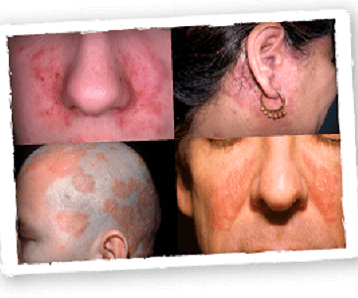
Everything you need to know about treating Seborrhoeic Dermatitis on the scalp and face, plus our recommended products.
4 Minutes read Read more
Did you know that the global face mask market is expected to reach billions by 2027? With so many options out there, it’s no wonder people are wondering why face masks have become a skincare essential. In this article, we’ll dive into the benefits of using face masks, help you figure out which one is best for your specific skin concern or skin type, and show you how to apply them correctly for maximum results. Get ready to transform your skincare routine with everything you need to know!
26.10.2026 5 Minutes read Read more
What if one tiny molecule could smooth fine lines, fade dark spots, and boost glow — without a 12-step routine? Retinol 101 – All Your Retinol Questions Answered breaks down exactly when will I see results, common side effects, and how to apply it for maximum payoff. We’ll also cover what other ingredients can I use with retinol to avoid irritation and amplify results. By the end, you’ll know precisely how to start, what to expect week by week, and how to troubleshoot like a pro.
20.10.2026 5 Minutes read Read more
