You have no items in your shopping bag.
Samples to Try
FREE
You are currently shopping on our International store

Customer Support
info@dermacaredirect.co.ukSkincare Advice
advice@dermacaredirect.co.uk GBP / EN
Cart Total
Worldwide shipping
Learn how retinol can help fade dark spots and how to use it safely to improve hyperpigmentation without irritating or damaging your skin.

Retinol hyperpigmentation refers to dark spots or post inflammatory hyperpigmentation (PIH) that appear or worsen after irritation caused by retinol products. These patches form when inflammation triggers melanocytes to overproduce melanin, leaving behind visible discolouration in the skin cells that replace damaged ones.
Two distinct situations get grouped under this label. The first is hyperpigmentation caused by UV exposure, hormones (melasma), or acne; baseline causes unrelated to retinol. The second is hyperpigmentation triggered or worsened by incorrect retinol use: too strong a product, too frequent application, or a compromised skin barrier. At Dermacare Direct, we frequently advise customers who have developed new dark patches after jumping straight into a high-strength retinol serum.
This article covers how retinol works, why it can both help and worsen dark spots, and how to use it safely to prevent hyperpigmentation.
This guide is for:
People with darker skin tones prone to PIH
Anyone with existing dark spots or age spots
Those new to retinol who want to start slow
Anyone who has reacted badly to retinol products before
Retinol is a vitamin A derivative that accelerates cell turnover and can improve uneven skin tone when used correctly. It is one of the most studied topical ingredients for managing hyperpigmentation.
Inside your skin, retinol converts to retinaldehyde and then to retinoic acid via specific enzymes. Retinoic acid binds to receptors (RAR α, β, γ) that regulate gene transcription, including genes controlling melanin production. Retinol inhibits tyrosinase (the key enzyme in melanin synthesis), helps disperse melanin clusters causing discolouration, and replaces pigmented cells with fresh ones through faster cell turnover. It also stimulates collagen production, enhancing skin firmness and helping smooth post acne scarring and uneven texture. Visible texture improvements and fading dark spots typically appear after 8 to 12 weeks of consistent use.
Retinol's effectiveness can vary based on the type of pigmentation being treated. It works well for sun damage and post-acne marks (partly by reducing inflammation that leads to new marks), but hormonal melasma often requires combination therapy. Retinol also promotes collagen production, contributing to smoother texture over time.
Here is the problem: excessive strength, overuse, or combining retinol with harsh exfoliants can inflame the skin barrier. In darker skin tones, where melanocytes respond more aggressively to inflammation, this irritation triggers post inflammatory hyperpigmentation; the very condition users are trying to treat. And this risk is not limited to the face. Retinol on the neck, chest, or hands can cause dark patches if misused, because those areas have thinner skin and often receive less sun protection.
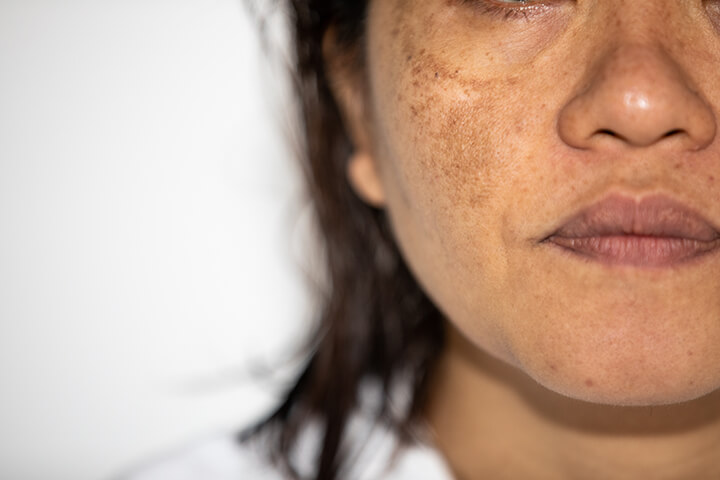
Anyone can experience retinol irritation, but certain skin types develop visible darkening more readily.
People with darker skin tones (Fitzpatrick IV to VI) produce more melanin in response to any inflammatory trigger. In a randomised trial of tretinoin 0.1% on skin of colour, 58% of treated participants achieved "much lighter" PIH lesions by 40 weeks, but roughly 50% also developed retinoid dermatitis. That dermatitis itself can leave behind new dark spots. Irritation from retinol can trigger new dark spots in melanin-rich skin even when the underlying retinoid is doing its job. At the same time, darker skin tones benefit from retinol's exfoliating properties and accelerated cell turnover, which improves overall skin tone; the key is managing irritation.
Those with a history of PIH from acne, insect bites, waxing, or cosmetic procedures are predisposed. Dry, eczema-prone, or sensitive skin with a compromised barrier faces higher risk of both potential irritation and hyperpigmentation. Using retinol during high sun exposure periods without diligent protection is another major factor, because retinol increases skin's sensitivity to UV rays. At Dermacare Direct, our clinicians advise adapting strength and frequency based on individual skin tone, skin's sensitivity, and lifestyle rather than following generic one-size advice.
Retinol itself is not the enemy. These common mistakes are what lead to inflammation, flaking, and then those pesky dark spots:
Starting too strong, too fast. Applying retinol at 1% nightly from day one overloads the skin before tolerance builds. Results from retinol applications take time and should not be rushed.
Skipping barrier support. Without a rich moisturizer containing ceramides, hyaluronic acid, or soothing agents like niacinamide, skin stays dry and unprotected. This leaves the skin barrier vulnerable and skin dry.
Stacking harsh actives. Combining retinol with strong AHAs/BHAs, physical scrubs, or high-concentration vitamin C in the same routine amplifies exfoliation and microtrauma, especially on acne prone skin already dealing with dark spots.
Neglecting sunscreen. If you skip sunscreen or rely only on SPF in makeup, UV rays hit inflamed, thinned skin and trigger more melanin production. Skipping sunscreen can worsen pigmentation issues.
Applying retinol to compromised skin. Using retinol on already irritated, peeling skin or immediately after microneedling, peels, or laser without clinician guidance deepens damage.
Retinol can trigger post inflammatory hyperpigmentation if misused. These mistakes are why people believe "retinol made my skin darker," when inflammation plus UV exposure are the actual culprits. Dermacare Direct advisers frequently help customers rescue their skincare regimen by pulling back on actives, rebuilding the skin barrier, and then re-introducing retinol carefully.
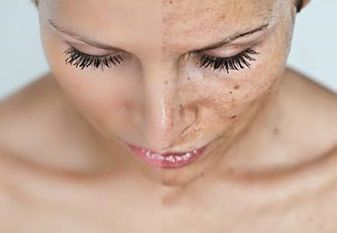
When introduced thoughtfully, retinol is one of the most effective brightening ingredients for fading dark spots, post acne scarring, and age spots across all skin types. A clinical trial of 0.3% retinol showed measurable improvement in uneven skin tone and brown spots within 12 weeks. Here is how to get there safely.
Ramp-up strategy:
Start with a low concentration retinol serum (0.25% to 0.5% for most; 0.1% for very sensitive skin). Apply two nights per week on completely dry skin. Give your skin time to adjust.
Use a pea sized amount for the entire face. Avoid eyelids, nose corners, and mouth corners.
Follow with a moisturiser containing hyaluronic acid or ceramides to buffer irritation and keep skin hydrated.
Maintain this schedule for 2 to 4 weeks. Only increase to every other night once your skin tolerates retinol without stinging or excessive flaking. Introduce retinol gradually to avoid skin irritation.

Sun protection (non negotiable):
Retinol should be applied at night due to increased skin sensitivity from sunlight. Daily sunscreen use is essential when using retinol. Use a broad spectrum SPF 30 or higher, reapplied if outdoors, plus physical protection like hats and shade; even on cloudy days. Retinol increases skin sensitivity to UV rays, so this step protects your overall complexion and prevents new sun damage.
Combining retinol with other actives:
Use vitamin C in the morning and retinol at night, rather than layering them together. Gentle partners like azelaic acid and niacinamide support fading dark spots with lower irritation risk, allowing retinol to do its work without overwhelming the skin.
If irritation appears (stinging, excessive peeling, burning): stop retinol for 5 to 7 days. Simplify to a gentle cleanser and bland moisturiser. Reintroduce at once weekly when skin feels calm, allowing retinol to build tolerance at a pace your skin can handle.
Retinol is not recommended during pregnancy or breastfeeding. Consult a clinician for alternatives in that situation.
Dermacare Direct customers can contact our skin experts for personalised advice on choosing strengths and building routines tailored to hyperpigmentation, acne scars, or general uneven texture.
Set realistic expectations. Visible results from retinol typically appear after 8 to 12 weeks of consistent use, with mild dark spots softening first. Visible fading of more established hyperpigmentation typically requires three to six months of consistent use. Consistent retinol use can reduce age spots and improve smoother texture and a more luminous complexion over that period, but new cells need time to replace pigmented cells fully. Retinol accelerates cell turnover, improving skin tone for darker skin, though the process is gradual. In an untreated cohort of 167 skin-of-colour patients, PIH lesions averaged 21 months before treatment began; early intervention matters.
Normal retinisation looks like mild dryness and slight flaking in the first few weeks. Warning signs of over-irritation include persistent redness, burning, painful peeling, or new dark patches.
When to pause and consult a professional:
Rapidly spreading or very dark patches
History of melasma or hormonal pigmentation
No visible changes after 3 to 6 months of careful use plus sunscreen
Gentler alternatives for those who repeatedly react to retinol:
Lower-strength encapsulated retinol or retinyl esters
Bakuchiol or peptide-based retinol alternatives for very sensitive skin
Non-retinoid brightening ingredients: azelaic acid, tranexamic acid, liquorice extract
In conclusion, retinol remains one of the best-studied vitamin A derivatives for hyperpigmentation. The benefits of retinol are real: it accelerates dead skin cells shedding, reduces melanin production, and delivers visible changes in skin texture and uneven skin. The difference between fading those pesky dark spots and creating them comes down to dose, frequency, and sun protection. Dermacare Direct stocks a curated range of professional-grade retinol products and complementary brightening formulas, and our dermatology-trained team can help design a safe, personalised plan to tackle hyperpigmentation. Using retinol is retinol safe when you respect the process and protect the skin.
Discover the causes of hyperpigmentation, learn about different treatment options and find out how to prevent it with expert advice from Dermacare Direct.