
You have no items in your shopping bag.
Samples to Try
FREE
You are currently shopping on our International store

Customer Support
info@dermacaredirect.co.ukSkincare Advice
advice@dermacaredirect.co.uk GBP / EN
Cart Total
Worldwide shipping
Discover how retinol can help smooth fine lines, refine skin texture, and brighten your complexion, plus tips for adding this vitamin A powerhouse to your routine.

Few skincare products have earned as much praise from dermatologists as retinol. If you have been searching for a single skincare ingredient that tackles fine lines, dark spots, acne, and dull skin texture all at once, understanding retinol and how it works is the best place to start.
Retinol is a vitamin A derivative used widely in modern anti aging skincare products. It belongs to the broader retinoid family, but unlike prescription retinoids such as tretinoin, retinol is available over the counter and suitable for many skin types. The key benefits of retinol include smoother skin texture, a more even skin tone, fewer fine lines and wrinkles, and clearer pores - results that are among the most reliably observed across clinical research.
So how does retinol deliver these results? In short, retinol enhances the skin cell turnover rate, encouraging dead skin cells to shed faster while stimulating collagen production in the deeper layers of the skin. Retinol can be useful for skin concerns like fine lines, pigmentation, and acne, making it one of the most versatile actives you can add to your skincare routine. At Dermacare Direct, we specialise in professional retinol skincare products with expert advice to help you find the right formula for your skin.
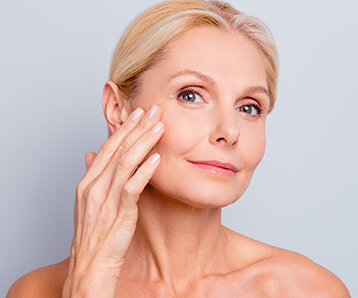
Understanding retinol at the cellular level explains why it is so effective. Once applied, retinol penetrates deep into the dermis layer of skin, where it is converted first to retinaldehyde and then to retinoic acid - the biologically active form. Retinoic acid binds to nuclear receptors that regulate gene expression, influencing everything from keratinocyte differentiation to fibroblast activity. The result is increased cell turnover in the epidermis and boosted collagen production in the dermis, where collagen and elastin are actually produced.
This matters because retinol boosts collagen production, improving skin firmness, while simultaneously reducing collagen breakdown by suppressing enzymes (matrix metalloproteinases) that degrade the skin's support structure. Over time, this dual action translates into visible improvements in fine lines, wrinkles, and loss of elasticity. Retinol also normalises keratinisation - the process by which skin cells mature and shed - which helps keep pores clear and plays a direct role in acne control.
Results from retinol are gradual. Research published in JAMA Dermatology found that a 0.4% retinol lotion showed fine wrinkle reduction beginning at week four, with continued improvement over 24 weeks. Initial texture changes typically appear around four to six weeks, while more visible anti-ageing improvements in skin firmness and pigmentation often require three to six months of consistent use. How effectively retinol works can vary by skin type, strength, and formulation - which is why choosing the right product matters.

The benefits of retinol extend well beyond anti-ageing. Here is how this vitamin powerhouse addresses specific concerns.
When it comes to wrinkles and loss of firmness, retinol reduces fine lines and deep wrinkles effectively by supporting collagen production and slowing collagen breakdown. Collagen levels naturally decline from the late twenties onward, so incorporating retinol during this period can help maintain younger looking skin for longer. Clinical trials consistently show improvements in wrinkle depth, crow's feet, and forehead lines within eight to twelve weeks of use.
For uneven skin tone and hyperpigmentation, retinol helps treat hyperpigmentation and evens skin tone by accelerating cell renewal so that pigmented keratinocytes are shed faster. It also reduces hyperpigmentation by promoting new blood vessel production in the dermis. Whether your dark spots come from sun damage or post-inflammatory marks, regular use leads to a more balanced complexion.
Retinol is also valuable for acne and congestion. It unclogs pores and prevents new acne formation by stopping dead skin cells from building up inside follicles. Additionally, retinol helps control oil gland secretion to reduce acne, and it can regulate sebum production over time - although severe acne may still require prescription retinoids or other targeted acne treatments.
Texture and enlarged pores improve with consistent use because retinol promotes faster skin cell turnover, improving skin texture. It minimizes pores and smoothens skin texture, clearing rough patches and giving the surface a more polished, uniform feel. Finally, retinol promotes cell renewal, revealing brighter skin by renewing the upper layers and restoring radiance that many users notice within just a few weeks.
Retinol can suit many skin types when introduced correctly. Oily and acne-prone skin often tolerates retinol well and benefits quickly from pore-clearing and sebum-regulating effects. Normal and combination skin can use standard mid-strength formulas. Those with dry or sensitive skin may prefer creamier, hydrating formulations that buffer the active, while very sensitive or rosacea-prone skin needs extra caution - a low concentration and slower build-up are essential. It is worth remembering that skin type and skin conditions are separate considerations; someone with oily skin and pigmentation concerns may still need to layer retinol with barrier-supporting skincare products.
Certain groups should avoid retinol or consult a medical professional first. Retinol can be harmful during pregnancy and should be avoided, along with breastfeeding - official UK guidance advises against all topical retinoids as a precaution. People already using prescription retinoids, strong acne medications like isotretinoin, or those with active eczema, open wounds, or a severely compromised skin barrier should seek advice. If you have very reactive or allergy-prone skin, patch test first and consider starting with encapsulated retinol formulas. Dermatologists recommend introducing retinol gradually in skincare routines, and Dermacare Direct's experts can help match strengths, textures, and supporting ingredients to your specific skin type through personalised advice.
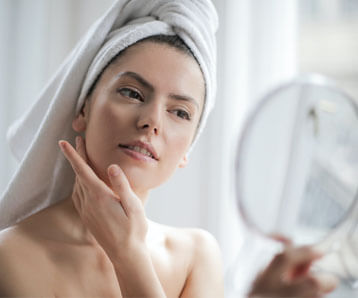
Correct application is essential to gain maximum benefits while minimising potential irritation, especially in the early stages. It is essential to start retinol slowly to reduce the risk of irritation, so start slow and build from there.
Retinol should be applied at night to minimize sun sensitivity. Begin with a gentle, non-stripping cleanser and let your skin fully dry. Then apply retinol - a pea sized amount is enough for the entire face. Avoid the eye contours and corners of the nose and mouth initially. Always follow retinol application with a good moisturiser to keep skin hydrated and help the skin barrier recover overnight. For those with dry or sensitive skin, the "sandwich" method works well: apply a layer of moisturiser first, then retinol, then another layer of moisture on top to buffer strength without losing effectiveness.
Start with a low concentration of 0.25% to 0.5%, and apply retinol just one to two times a week initially. As your skin builds tolerance over two to four weeks, gradually increase frequency - most people can eventually work up to three to four times a week, then nightly if skin tolerates it. Retinol can cause irritation, redness, and peeling during the first few weeks, and dryness is a common side effect of retinol use. Initial use may also lead to temporary breakouts, known as purging, while retinoid dermatitis can occur, causing itching and redness. These reactions typically settle as the skin adjusts.
Retinol increases sun sensitivity, requiring daily sunscreen use. Apply a broad spectrum sunscreen of SPF 30 or higher every morning - this preserves your results and prevents further sun damage. When first incorporating retinol, avoid combining it with strong AHAs, BHAs, physical scrubs, or high-strength vitamin C at the same application time to reduce the risk of over-exfoliation.
Not all retinol products are equal. Formula type, strength, and supporting ingredients all affect how well retinol works and how your skin tolerates it. For beginners or those with sensitive skin, start with lower strengths around 0.1–0.3%. Mid-range strengths of 0.3–0.5% suit most experienced users, while higher strengths up to 1% should only be used under guidance. If you want to understand other forms of vitamin A derivatives and how they compare, our Retinol 101 guide breaks it down clearly.
Product format matters too. Lightweight serums suit oilier skin, richer creams work better for dry or mature skin, and specially formulated eye treatments protect the delicate skin around the eyes. Look for formulations that include hyaluronic acid, ceramides, or niacinamide - these support the skin barrier, reduce irritation, and lock in moisture alongside retinol. Consider your existing routine as well: if you already use acids or vitamin C, stagger their application so your skin isn't overwhelmed.
As a professional UK online retailer founded in 2009, Dermacare Direct curates clinic-grade retinol creams and serums and offers personalised recommendations, free tailored samples, and direct expert advice to help you build a safe, effective routine. With the right formula and a gradual approach, retinol helps reduce visible signs of ageing, improve skin health, and deliver brighter skin that lasts - making it one of the most rewarding additions to any skincare routine. Start your retinol journey today and let our dermatology experts guide you to the product that fits your skin perfectly.
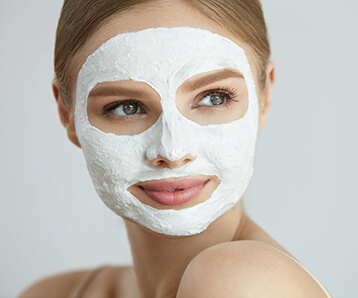
Did you know that the global face mask market is expected to reach billions by 2027? With so many options out there, it’s no wonder people are wondering why face masks have become a skincare essential. In this article, we’ll dive into the benefits of using face masks, help you figure out which one is best for your specific skin concern or skin type, and show you how to apply them correctly for maximum results. Get ready to transform your skincare routine with everything you need to know!

Did you know winter air can dehydrate skin by up to 25% more than in summer? This article breaks down the essential winter skincare steps — like switching to a richer moisturiser, adding a Hyaluronic acid serum, and reinforcing your barrier with cermides and Omega Fatty Acids: — so your skin stays resilient. We’ll also cover smart Exfoliation, non-negotiable daytime SPF, and targeted lipcare. By the end, you’ll know exactly what to use, when to use it, and how to prevent seasonal dryness, flaking, and irritation.

