You have no items in your shopping bag.
Samples to Try
FREE
You are currently shopping on our International store

Customer Support
info@dermacaredirect.co.ukSkincare Advice
advice@dermacaredirect.co.uk GBP / EN
Cart Total
Worldwide shipping

If you've undergone any type of breast surgery, be it breast augmentation, reduction, lift, or mastectomy, you're likely pondering the best way to treat your scars.
We're here to guide you through the process and unveil the power of silicone sheeting for scar management
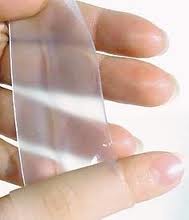
Silicone Sheets are 100% medical-grade silicone.
Silicone sheets are a game-changer for scar management. Crafted from 100% medical-grade silicone, each reusable silicone sheet stays comfortably in place on the skin, molding to any body contour. Not only are they incredibly durable, but the best part is that you can wash and reuse them with warm water and mild soap after use to help ensure durability.
Silicone scar sheeting has earned its reputation as the "gold standard" in scar management. It acts as a protective barrier that helps retain moisture, supporting the natural scar healing process. Once the wound is closed, it can also help improve scar colour, make scars flatter, and is used to help prevent keloid and hypertrophic scars. This makes silicone sheeting an ideal post-procedure companion to minimize the risk of surgery scarring.

Commonly known as breast lifts, mastopexies are a choice made by women seeking to combat breast sagging due to factors like age or weakened skin unable to support breast weight. During a breast lift, your surgeon will skillfully make an incision around the areola, often extending it down the front and along the sides of the breast. Excess skin is removed, resulting in a rejuvenated breast appearance. As a major surgery, it can carry risks such as bleeding, allergic reaction to dressings or other materials, and bad reactions to anesthesia. Results can also change over time with age and reduced skin elasticity, though maintaining a stable, healthy weight may help preserve them.
Silicone Sheeting For Mastoplexy Scar Treatment:
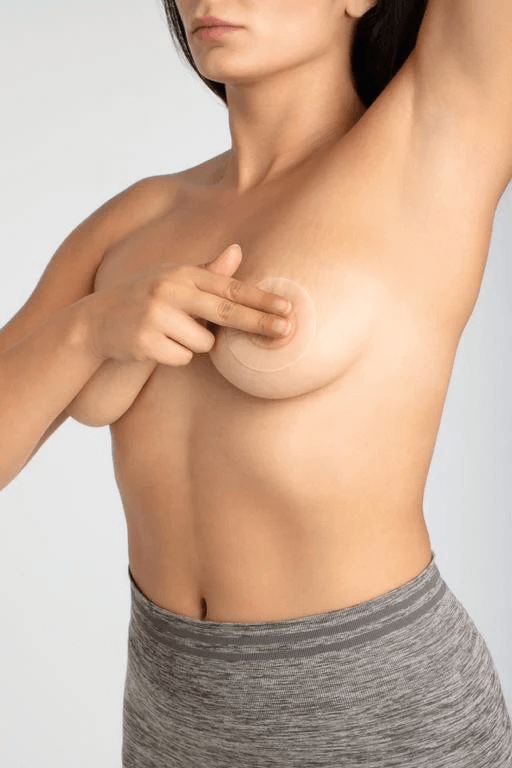
Breast Circle
This circular-shaped silicone scar sheet is a suitable option for breast scars after mastopexy, designed to conform to the unique contours of your breasts; a lift reshapes the breast but does not usually change breast size. It can be cut if needed to fit the affected area. If you want smaller breasts or relief from discomfort caused by large breasts, you may be considering breast reduction surgery instead. It may also be considered when very large breasts cause day-to-day discomfort or make exercise difficult. Results are long-lasting, but they can still change over time, including after weight loss. These silicone gel sheets are intended for closed incisions, not while scabs are still present or stitches are in place.
Biodermis Epi-Derm Silicone Gel Areola Circles Clear (1 Pair- Right and Left)
Breast Augmentation
Breast augmentation is a cosmetic procedure aimed at enhancing breast appearance, size, and contour. Women opt for breast augmentation for various reasons, from desiring larger breasts to regaining lost breast volume or achieving a lifted look. As a form of cosmetic surgery, it should begin with a thorough initial consultation to review treatment options and confirm your general health is suitable. In most cases, breast enlargement surgery uses breast implants, usually silicone implants or saline implants, although breast enlargement can also be achieved with autologous fat transfer. Modern choices in breast implant surgery can be tailored, with implant shape affecting projection and contour, such as round or anatomical options, to support more personalised results. Typical UK costs for breast enlargement operations range from £3,500 to £8,000. Before choosing any of these surgical procedures, meet your surgeon, make sure they are on the GMC specialist register, look for BAAPS credentials, and check the clinic is CQC-registered, properly accredited, and offers a two-week reflection period before surgery.
Silicone Sheeting For Breast Augmentation Scar Treatment:
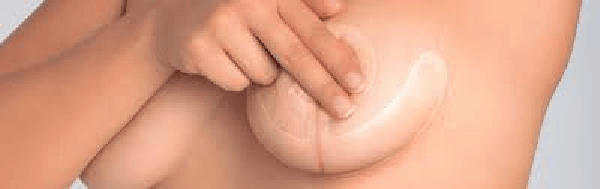
Breast circle & Breast Anchor Shape
These are reusable gel sheets made for breast surgery scars after augmentation, where implants may be placed either under the chest muscle for a more natural transition at the upper edge of the breast or directly behind the breast tissue depending on the type of surgery, helping keep the area protected and hydrated.
Breast surgery scars typically heal within 2-4 weeks, though some wounds use dissolvable sutures while non dissolvable stitches are often removed after one to two weeks, and follow up appointments check healing; patients wear them over fully healed scars for 12 to 24 hours a day and continue treatment for at least 90 days.
A common minimum treatment duration is one month, with 90 days often used as the initial treatment period for better scar management.
Silicone may also help ease itching, discomfort, and other symptoms while scars are still red, as silicone therapy helps regulate scar tissue production and can help flatten vascular components of healing skin. Potential complications can include infection, bleeding, capsular contracture, or a ruptured implant, and some patients also report symptoms described as breast implant illness. There is also a very low risk of anaplastic large cell lymphoma linked to implants, estimated at about 1 in 24,000, so any delayed swelling should be assessed.
Visible improvements typically begin within 8 weeks and depend on how long treatment is continued.
For example, some people apply silicone-based scar cream after two weeks post-surgery, if advised. In early recovery, patients are often advised to wear a sports bra 24 hours a day for up to three months, avoid strenuous exercise and heavy lifting for at least a month, and many return to work within one to two weeks before resuming normal activities gradually. Compression stockings may be used during surgery and early recovery to help reduce the risk of blood clots while patients are still. Breast implants are not lifetime devices and may need further surgery or replacement after 10 to 15 years, and follow up care may involve separate costs, so patients should confirm who provides post-operative advice.
For this scar care type, consider the following products:
Biodermis Epi-Derm Silicone Gel Sheeting Mastopexy Clear (1 Pair- Right and Left)
Biodermis Epi-Derm Silicone Gel Areola Circles Clear (1 Pair- Right and Left)
A woman may need breast reconstruction to recreate a breast due to breast cancer or other diseases that contribute to the loss of a breast. During this procedure, the nipple can also be recreated.
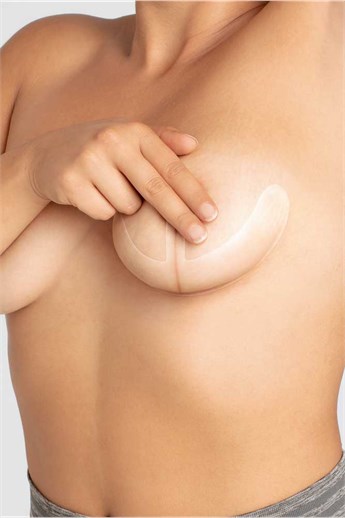
Silicone Sheeting For Breast Reconstruction Treatment
Breast Anchor Shape
Irrespective of the type of breast procedure you've undergone, silicone sheeting is a reliable post-procedure ally, and silicone scar creams or gels may also be used alongside sheets to improve results for some scars. Reconstruction may follow different breast cancer operations, including breast conserving surgery or mastectomy. Recovery may also include drains to remove excess fluid and time in a recovery room before going home or staying in hospital overnight. These sheets are generally well tolerated, though they can sometimes cause skin irritation. In the first few weeks, swelling, bruising, or numbness can be expected, and some changes may last a few weeks or about six weeks depending on the procedure. When cancer cells are found in sampled lymph nodes, this can affect decisions about further treatment such as radiotherapy or further lymph node surgery. Scar prominence can also vary based on factors like age and skin type.
One of the options available for this type of silicone sheeting is Biodermis Epi-Derm Silicone Gel Sheeting Mastopexy CLEAR (1 Pair- Right and Left). Scars can lose moisture, and silicone helps shield healing skin from bacteria while supporting recovery. Scars typically heal within 2-4 weeks after breast surgery, but for optimal healing, monitor scars for 3 months, continue breast screening after reconstruction or implants, and tell the screening team because implants can hide a thin layer of breast tissue on mammograms, as scars reach maximal strength at around 3 months post-surgery.
A skin sparing mastectomy removes breast tissue and the nipple while preserving most of the breast skin. A nipple sparing mastectomy removes breast tissue while preserving most of the skin, nipple, and areola, usually alongside reconstruction. Some patients decide against reconstruction because they do not want more surgery. Family history can also influence the surgical plan in breast cancer care.
Our silicone sheeting is thoughtfully tailored to heal scars resulting from a wide range of breast and non-breast procedures. Gentle massage may be considered later, once the area has healed, based on professional advice, and once you are at least three days post-stitch removal, sheets may be used during the day with scar cream at night, if advised. When removing sheets, check for redness.
Follow up with your healthcare team about dressings, activity, and any concerns during healing. If you have questions, contact the team via our website for advice today where support is on hand.
Biodermis Epi-Derm Silicone Gel Sheeting Mastopexy Clear (1 Pair- Right and Left)
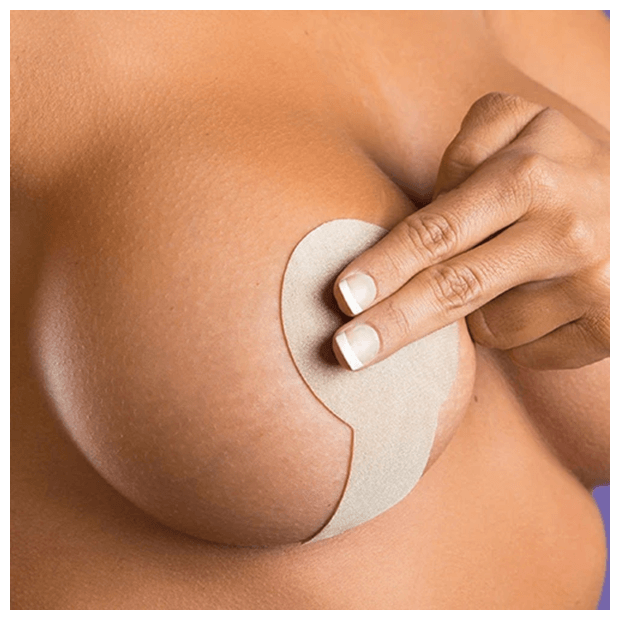
Lejour Augmentation Technique
Biodermis Silicone gel Areopexy (1 Pair-Right and Left) (14.9cm x 6.98 cm x 1.90 cm)
The Areopexy form was designed for use following the Lejour Augmentation Technique. Unlike standard silicone gel sheets for scars, the Epi-derm areopexy form is specialized to accomodate the incisions used with Lejour breast augmentation and is a silicone patch for scars in an ideal “lollipop” configuration.
Regardless of what breast procedure you’ve undergone, silicone sheeting is the perfect post-procedure product to minimise your risk of scarring.
Our silicone sheeting is specifically tailored to heal surgery scars from a variety of breast and non-breast procedures – you can take a look here .........

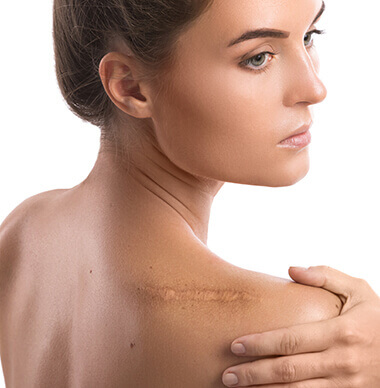
Silicone has been the gold standard for scar care for decades — so why is there still debate between gel and sheets? This article breaks down how topical silicone gel compares to silicone sheets. You’ll learn which option is more effective for different scar types and lifestyles, plus when to combine them. By the end, you’ll know exactly which to choose and how to use it for best results.
11.01.2026 4 Minutes read Read more
Whether you’ve recently had surgery or the remnants of an old wound are making you self-conscious, we have the perfect solution. Silicone is widely used in the medical community to help heal new scars and improve the appearance of older ones. Discover the different options, including how they work, the benefits they offer and which is the best silicone for scars.
6 Minutes read Read more
Many people believe old scars are permanent fixtures on their skin, but silicone-based treatments have proven effective even for long-established scars. This article explores how these treatments work specifically on older scars and what results you can realistically expect.
4 Minutes read Read more
